Skip to content
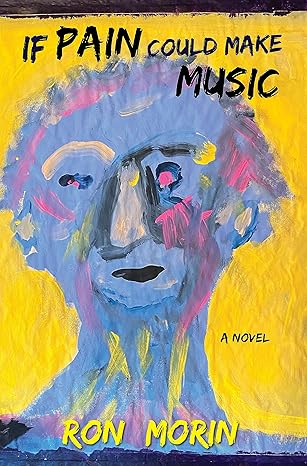
If Pain Could Make Music
My debut novel unfolds as the biography of Lemeilleur Ducrotte, a young man burdened by dreams—and the nightmares that shadow them.Lem navigates life alongside his friend Mice, both clinging to education as their lifeline out of poverty and cultural erasure. Guided by the voices of Salinger, Rimbaud, Rabelais, and above all, Nabokov, Lem wrestles with the man he yearns to become. Yet time and again, an invisible weight pulls him back.
If Pain Could Make Music traces Lemeilleur’s resilience, revealing how self-awareness and growth can flicker even in the aftermath of sexual trauma.
I first glimpsed him in 1977, in a Paris café, the year Nabokov died. I’d gone to write a book, too earnest to see the cliché. Truthfully, that glimpse was barely more than a blur—I was at a Rue Soufflot table, staring down a blank page. Defiant, I lifted my eyes and dreamed. I was good at dreaming then.
 My Paris year dissolved under Rimbaud’s influence, leaving 160 pages of labored prose, each sentence a strained attempt to distill reality’s essence.
It would take fifty years for Lemeilleur to step forth, fully realized. I never abandoned the vision—only my grip on reality shifted.
If Pain Could Make Music is a meditation on healing’s ragged path and the past’s relentless echo. Lem’s literary compass—Salinger, Rimbaud, Rabelais, Nabokov—anchors him, framing resilience as both rebellion and refuge. The prose turns inward, inviting readers into the fractures and sutures of his psyche.
Some may be startled to discover that the quiet architect of Lemeilleur’s story is implied to be its writer. This structural choice mirrors his reinvention. The book closes with his dream: forgiveness, and perhaps, pain transmuted into music.
Cover art by Ron Morin